
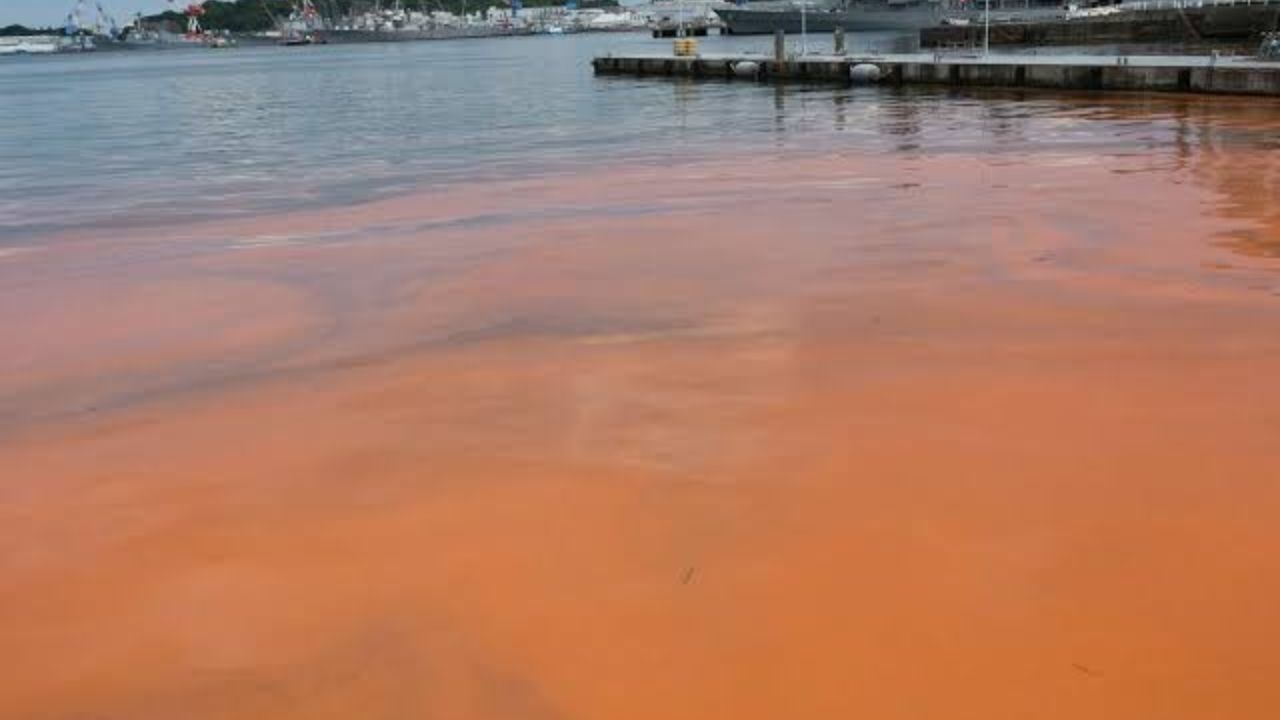
Galveston, TX — A toxic red tide bloom detected along the Texas coastline is prompting warnings for beachgoers after officials reported moderate to high concentrations of red tide cells and people began experiencing respiratory irritation.
Biologists with the Texas Parks and Wildlife Department began receiving reports of a red tide bloom off the Galveston coast on Sept. 8, according to officials.
The naturally occurring algae can affect marine life and cause respiratory problems for people exposed to the toxins released by the bloom.
Texas Parks and Wildlife staff are now monitoring fish kills and collecting water samples along portions of the coast, including areas from Crystal Beach and the Bolivar Peninsula south toward the north jetty at Bolivar Roads.
Several Galveston-area beaches being monitored
Officials are also watching a large section of southern Galveston Island.
The monitored area stretches from the south jetty for roughly 12 miles, including locations around Stewart Beach and Pleasure Island Pier, according to the department.
The monitoring comes as beachgoers report experiencing mild to severe respiratory irritation associated with the bloom.
The National Centers for Coastal Ocean Sciences said some beaches could face a moderate to high risk of respiratory irritation over the following day or so.
Wind conditions can also influence how much irritation people experience. Officials said symptoms are more likely when winds blow onshore or alongshore, while offshore winds can make respiratory effects less likely.
What makes red tide toxic?
Red tide is a naturally occurring phenomenon involving higher-than-normal concentrations of microscopic algae.
The Texas Parks and Wildlife Department said the red tide affecting the coast contains the microscopic algae Karenia brevis, which produces a toxin called brevetoxin.
The toxin can affect the central nervous system of fish, interfering with their ability to breathe and potentially causing paralysis.
Rabies Cases Are Raising New Concern Across America — CDC Warns of a Troubling Spike
That helps explain why red tide blooms are often associated with dead fish washing onto Gulf beaches.
As of Monday, officials said fish kills along the Texas coast were primarily involving Gulf menhaden and striped mullet, although smaller numbers of other species were also being found.
When the algae multiply in dense concentrations, the blooms can sometimes discolor ocean water. The water may appear reddish, which is where the term “red tide” comes from.
Red tide can also create a shellfish risk
The health concern is not limited to breathing problems.
People can develop neurotoxic shellfish poisoning (NSP) after eating molluscan shellfish contaminated with brevetoxin-producing algae. Shellfish that can be affected include oysters, clams, scallops and mussels because these animals feed on microscopic organisms in the water.
Symptoms can develop relatively quickly.
According to officials, people with NSP typically begin experiencing symptoms within about three hours of eating contaminated shellfish. Possible symptoms include abdominal pain, nausea, vomiting and diarrhea.
However, officials said legally available shellfish sold through markets and restaurants should be safe to eat because they are likely harvested from areas not affected by the bloom.
Officials warn against eating fish found on beaches
As monitoring continues, officials are urging people to use caution around marine life affected by the bloom.
People should never eat fish or shellfish that has washed ashore sick or dead, or that is found floating belly-up in the water.
The Texas Parks and Wildlife Department’s Kills and Spills Team is continuing to monitor the extent of the bloom and associated fish kills along the coast.
For people visiting Galveston-area beaches, the changing conditions mean respiratory irritation and marine-life impacts remain important concerns while officials continue collecting samples and tracking the bloom.
Have you noticed unusual water conditions or dead fish along the Texas coast? Share what you’ve seen in the comments.
4 thoughts on “Texas Beaches Face Red Tide Warning as Toxic Algae Triggers Respiratory Problems”