
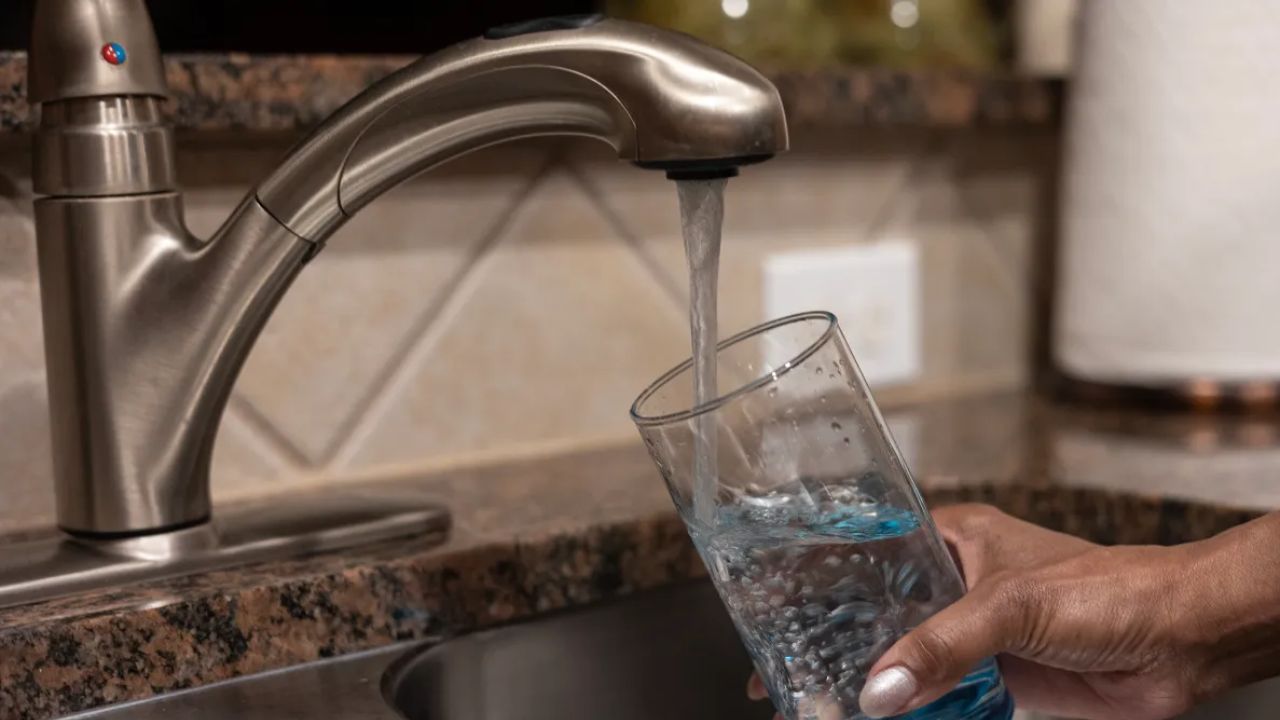
Lincoln Park, Michigan — Residents are preparing for another hit to their household budgets as the city moves forward with water rate increases of approximately 15% to 28% beginning Sept. 1. The size of the increase will depend on how much water individual customers use, but residents living on fixed incomes say the higher bills could make it even harder to cover everyday expenses.
For some households, the increase is more than just another line item on a monthly budget. It could mean cutting back on necessities and postponing purchases that residents can no longer afford.
Residents Brace for Higher Water and Sewer Bills
Geralyn Thompson, who has lived in Lincoln Park for nearly her entire life, said she is particularly concerned about the impact of the new rates.
Thompson lives on a fixed income and said she is already finding it difficult to manage her expenses. The prospect of paying more for basic water and sewer service has left her frustrated.
“I’m very disappointed. I’m sad because it’s hard enough. I’m by myself. You know, I’ve only got a fixed income, and that’s it. You know, so it’s really hard,” Thompson said.
Her concerns reflect a broader question facing residents: how much more can households absorb when essential utility costs continue to rise?
Some Customers Could Pay $54 More Every Three Months
The city has provided an example showing how the new rates could affect customers.
According to the city’s example, a customer using 12 units of water could see the bill increase by approximately $54 every three months.
For residents already watching every dollar, that additional cost could become significant over the course of a year.
Karen Nemeth, another Lincoln Park resident, said higher bills could force people to reconsider how they spend their money.
“Just cutting back on things that you need, things that you want to spend money on that you say, ‘Oh no, I’m not going to,'” Nemeth said.
The concern is especially significant for residents who have little flexibility in their household budgets.
City Points to Aging Infrastructure and Rising Costs
Lincoln Park officials say the rate increase is necessary because the city’s water system faces aging infrastructure and increasing operating costs.
The additional revenue is expected to help pay for day-to-day operations, repairs and infrastructure needs.
But one figure has become a major point of concern for residents: more than 40% of the water entering Lincoln Park’s system is not being billed to customers.
The city says it still has to pay for that water, even though customers are not being charged for it.
Residents Want Answers About Water Loss
The water loss figure has left some residents questioning whether the city should address inefficiencies before asking customers to pay substantially more.
Nemeth said residents want to know exactly how the additional money will be used and what changes they should expect to see.
“What are you going to do with the money, and why do you need the money? What are you going to do different that you’re not doing already? Is what I’d like to know,” she said.
That question could become increasingly important as the new rates take effect.
Questions Remain as September 1 Approaches
The city says the higher rates will provide needed funding for its water system, but residents continue to question how Lincoln Park plans to reduce the more than 40% water loss and how long customers will be expected to absorb those costs.
For people such as Thompson, the issue goes beyond infrastructure and operating budgets. It is about whether they can continue paying for essential services while living on limited incomes.
“Why don’t you get answers? Why aren’t they addressing everything? Why aren’t they? Why aren’t they let it be known?” Thompson said.
With the new rates scheduled to begin Sept. 1, Lincoln Park residents will soon find out how the changes affect their own bills.
Do you think residents should have to pay higher water rates while more than 40% of the water entering the system goes unbilled? Share your thoughts in the comments below.