
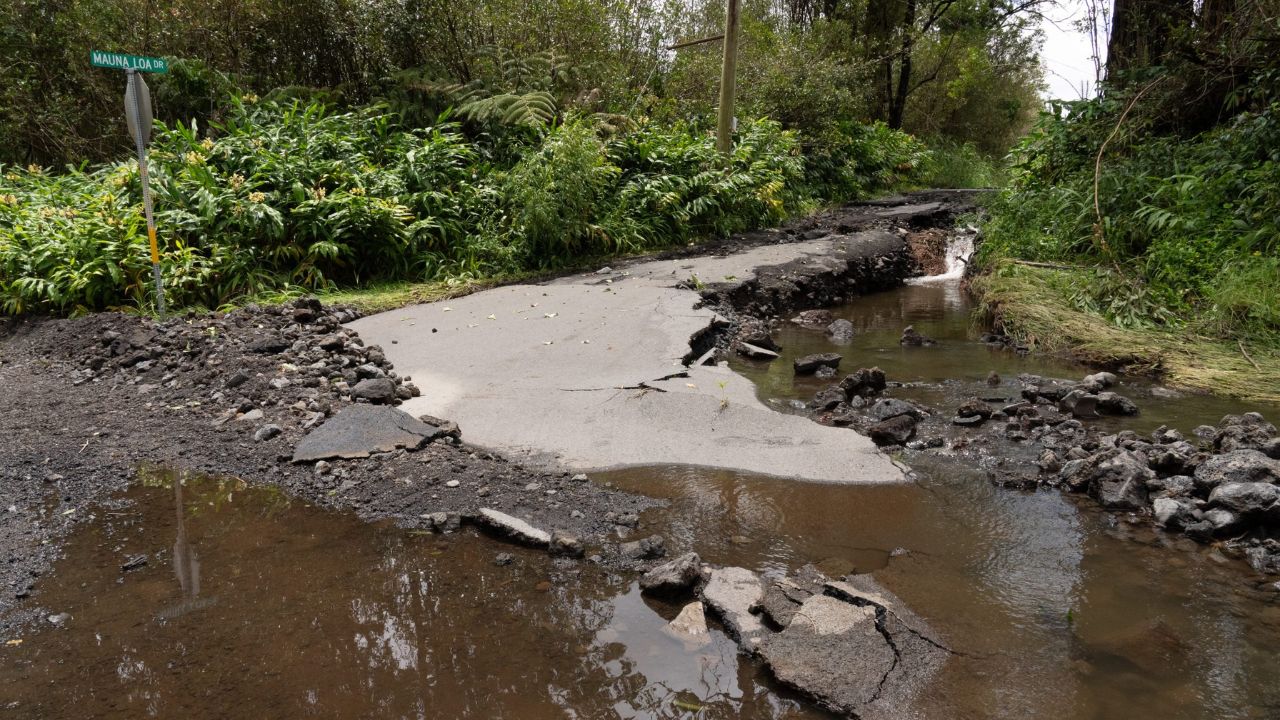
HAWAII — The sheer amount of water Hurricane Lala dumped across the Hawaiian Islands has put the storm’s impact into staggering perspective: the state received enough rain to fill nearly 1.9 million Olympic-sized swimming pools.
From Aug. 14 through Aug. 16, Lala dropped approximately 1.3 trillion gallons of water across Hawaii, according to rainfall data compiled by the University of Hawaii.
Although the storm never officially made landfall, its close passage as a Category 1 hurricane produced extreme rainfall, flooding and mudslides across parts of the islands.
The storm has also been deadly, while thousands of residents continue to deal with the aftermath and power disruptions.
Hawaii County Received the Most Rainfall
The University of Hawaii said the state recorded an average of 11.4 inches of rainfall during Lala’s passage, with Hawaii County accounting for the largest share of the total rainfall volume.
“While Lala never made an official landfall, its close pass as a Category 1 hurricane brought average statewide rainfall of 11.4 inches,” the University of Hawaii said. “Hawaiʻi County received 66% of the total rainfall volume — equivalent to 1.2 million pools (833 million gallons).”
The numbers became even more remarkable in areas along the Hamakua coast.One location recorded a daily maximum rainfall of 32.1 inches on Aug. 15, with significant rain continuing for days.
Most counties reached their peak rainfall totals by Aug. 16. Maui County alone received precipitation equivalent to 203,595 Olympic-sized pools, according to University of Hawaii data.
Torrential Rain Triggers Flooding and Mudslides
The enormous amount of rainfall quickly overwhelmed areas across the Hawaiian Islands.
Torrential downpours pushed waterways into flood stage and triggered mudslides in parts of the state, while already saturated ground created additional hazards for residents and emergency crews.
Tom Giambelluca, director of the Hawaiʻi Mesonet, emphasized the importance of reliable rainfall measurements when storms of this scale hit the islands.
“Storms like Lala remind us why sustained, high-quality rainfall measurement matters so much in Hawaiʻi,” Giambelluca said.
The rainfall totals also highlight how quickly a tropical cyclone can create dangerous conditions even when its center does not make direct landfall.
More Than 200,000 Residents Lost Power
Rain was not the only threat brought by Lala.
The hurricane produced winds of up to 80 mph, strong enough to knock down trees and power lines throughout the islands.
At the height of the storm, more than 200,000 residents were without power.
The storm also damaged infrastructure, with government officials reporting that hundreds of homes were damaged or destroyed, along with numerous roads and bridges.
Cleanup crews are now working to restore access and address damage left behind by the storm.
Hawaii Faces More Flooding Concerns
The danger has not completely disappeared with Lala’s departure.
Officials are warning that additional severe storms could bring more flooding because the ground remains heavily saturated after the extraordinary rainfall.
That saturated soil also increases the risk of trees and debris falling onto roads, creating additional problems for travelers and cleanup crews.
Officials have urged caution as crews work to clear affected areas and restore damaged infrastructure.
Governor Seeks Federal Emergency Assistance
As Hawaii continues dealing with Lala’s aftermath while facing another potential threat from severe weather, Governor Josh Green has taken steps to seek additional assistance.
Green has signed a formal request for a presidential emergency declaration, seeking federal support following the hurricane.
The request is aimed at helping Hawaii protect public health and safety as communities continue recovering from flooding, infrastructure damage, power outages and other impacts.
For Hawaii, the extraordinary rainfall total from Lala provides a striking measure of just how much water the storm brought to the islands. With the ground still saturated and more severe weather possible, residents and officials are now watching closely for what comes next.
How do you think Hawaii should prepare for the possibility of more flooding after Hurricane Lala? Share your thoughts in the comments.
3 thoughts on “Hurricane Lala’s Massive Rainfall Leaves Hawaii Facing Flooding, Damage and More Storms”