
United States—Across the United States, wildlife encounters have taken a concerning turn this summer as rabies cases rose 17%, prompting a new federal advisory and renewed warnings about contact with wild animals.
The Centers for Disease Control and Prevention said Thursday that the increase was connected to several high-profile outbreaks and mass-exposure events involving wildlife.
The warning comes after a series of unusual and alarming encounters across different parts of the country.
In Maryland, health officials warned residents in August after a 10-year-old girl was attacked by a beaver. Similar incidents involving teenagers have also been reported.
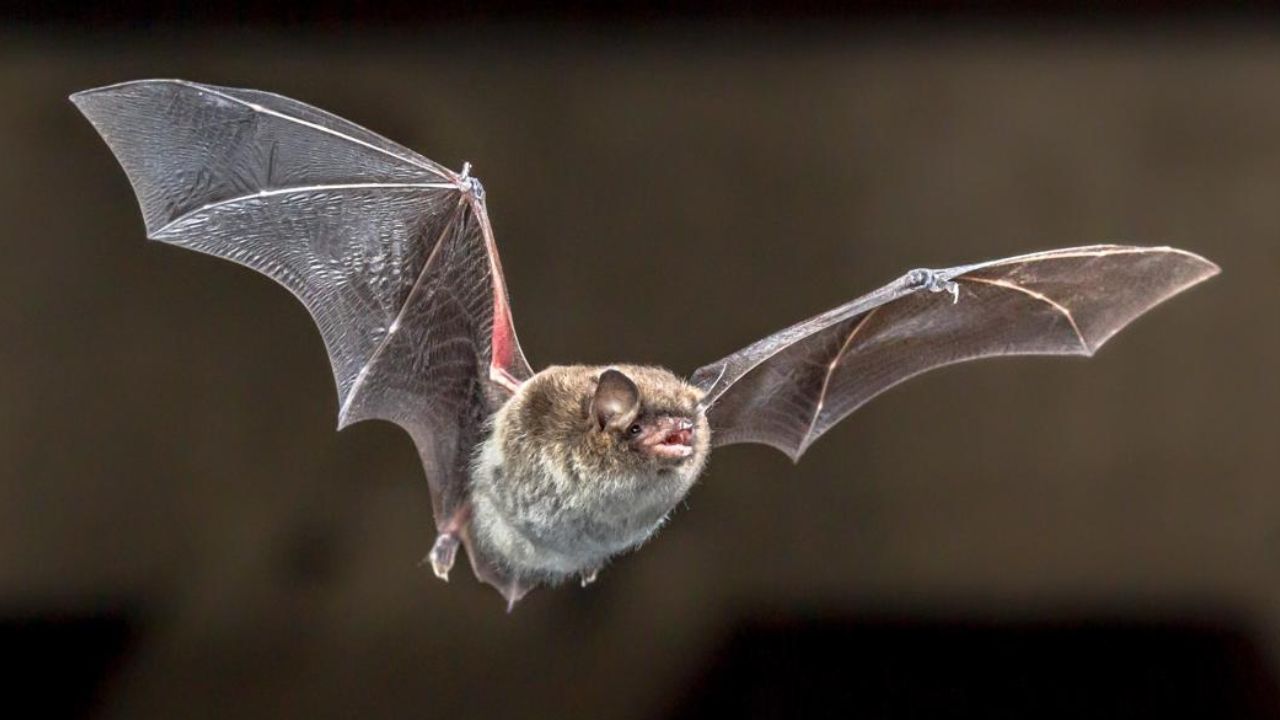
Meanwhile, National Park Service officials said rabid bats were swooping at parkgoers at Olympic National Park in August. Earlier this month, a dead bat found at Yosemite National Park also tested positive for rabies.
The incidents have put a renewed focus on the risks people can face when wildlife and humans come into close contact.
Rabid Bats and Raccoons Raise New Concerns
New York has also seen a notable increase in reports involving potentially rabid raccoons this summer.
New York City data shows nearly 20 rabies cases across the boroughs since June, according to the report. The situation prompted officials to deploy fish-scented bait packets in parks and wooded areas as part of efforts to address the threat.
While the CDC did not provide a specific explanation for the nationwide increase, several factors may be contributing to more encounters between people and wildlife.
Those factors include urban expansion, drought conditions and growing animal populations, all of which can bring wildlife into areas where people live, work and spend time outdoors.
Animals most commonly associated with rabies include bats, foxes, skunks and raccoons.
People typically become infected after being bitten or scratched by an animal carrying the virus. Even an encounter that initially appears minor can become dangerous if a possible exposure is overlooked.
Why Rabies Can Become Deadly
Rabies is particularly dangerous because it attacks the central nervous system.
The illness can initially resemble other conditions, but once symptoms develop, patients can experience confusion, agitation, aggressive behavior, anxiety and hallucinations.
According to the CDC, rabies infections are fatal if treatment is not received before symptoms begin.
The timing can make the disease difficult to recognize. Symptoms may not appear immediately after an exposure and can develop weeks or even months after a bite or scratch. That delay means someone who was exposed may feel perfectly healthy while the virus is progressing.
Federal data indicates there are typically about 4,000 rabies cases in animals each year in the U.S., while fewer than 10 people die from the disease annually.
The relatively small number of human deaths is largely attributed to access to effective treatment following potential exposure.
Rabies Treatment Can Be Complex and Expensive
Around 100,000 Americans receive rabies vaccination each year after a potential exposure, highlighting how frequently health officials have to assess possible encounters with infected animals.
Post-exposure treatment generally includes careful wound cleaning, medication containing protective immune antibodies and a series of four or five rabies vaccine doses, depending on the circumstances.
However, the CDC has also warned about increasing reports of errors in administering rabies treatment.
“Proper administration of rabies vaccine and human rabies immune globulin is critical to ensuring patients receive effective protection while avoiding unnecessary treatment, costs and strain on supplies,” the agency said.
The treatment can also become financially difficult for people without health insurance, with a complete course potentially costing thousands of dollars.
Dad Launches GoFundMe for 24-Day-Old Daughter’s Funeral After Allegedly Inflicting Fatal Head Trauma
That makes knowing when treatment is genuinely necessary especially important.
Wildlife Encounters Require Extra Caution
The recent incidents serve as a reminder that people should avoid approaching wild animals, particularly animals displaying unusual behavior.
A bat flying during the daytime, an animal behaving aggressively or a wild animal that appears unusually tame can warrant caution.
With rabies cases increasing this summer, officials are emphasizing awareness and appropriate medical care after potential exposure. The key message remains simple: a bite or scratch from a potentially infected animal should not be ignored.
Have you encountered unusual wildlife behavior in your area this summer? Share your experience or thoughts in the comments below.