
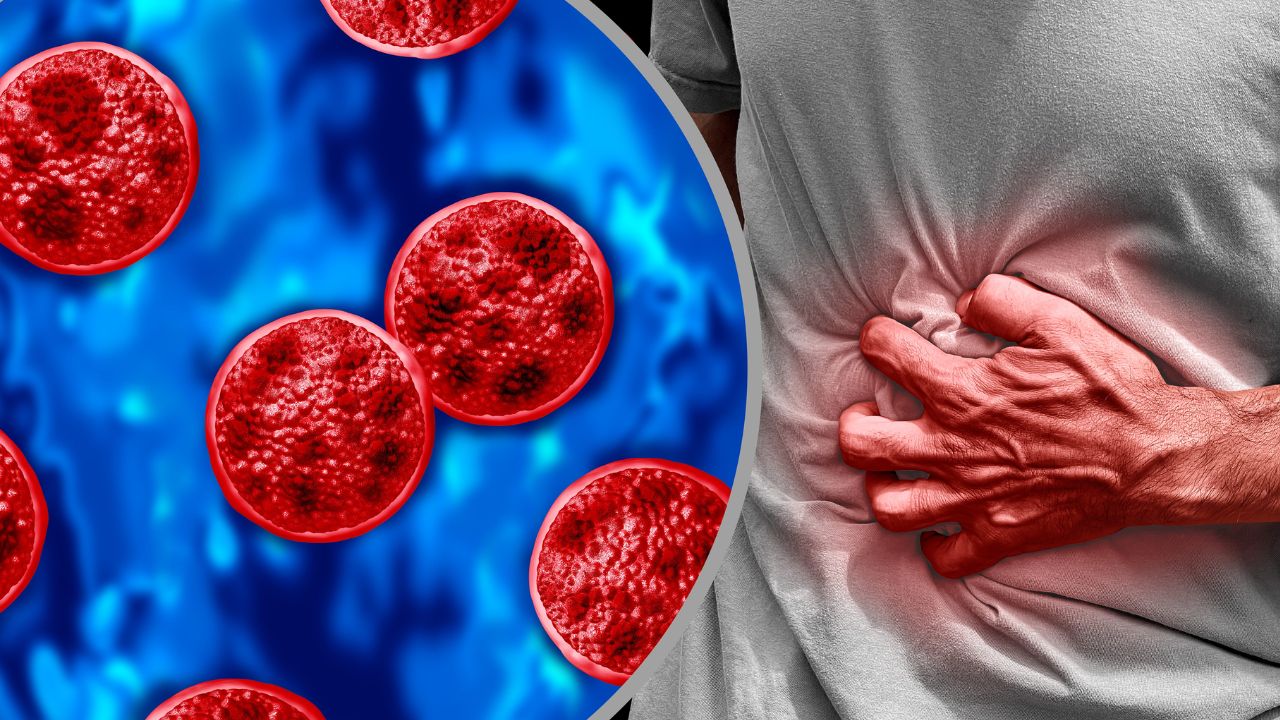
WASHINGTON, D.C. — A major cyclosporiasis outbreak continues to grow across the United States, with more than 27,000 confirmed and probable cases reported across 47 states since May 1.
The parasitic illness, caused by Cyclospora, has been linked to contaminated food and water and can cause severe gastrointestinal symptoms, including prolonged diarrhea and dehydration.
The latest numbers from the Centers for Disease Control and Prevention include 15,716 laboratory-confirmed cases, while another 11,841 cases are considered probable and require further investigation.
The scale of the outbreak has made it one of the largest cyclosporiasis outbreaks seen in the country.
Lettuce Recall Expands to More Areas
The U.S. Food and Drug Administration said Thursday that recalled iceberg lettuce from a Taylor Farms facility in Mexico may have been distributed in more locations than previously reported.
The newly identified areas include California, Delaware, North Dakota, Rhode Island, South Dakota, Vermont and Washington, along with Washington, D.C., and Puerto Rico.
The FDA previously said the recalled products had been distributed to restaurants and retail stores in nearly three dozen states between late June and July.
“The total case count associated with this multi-state outbreak is now 10,930 illnesses reported from 17 states,” the FDA said.
The recalled products should no longer be available for purchase, according to officials, and the best-by dates on the affected products have already passed.
The lettuce was also linked to illnesses among customers of Taco Bell, which removed the affected lettuce from its restaurants.
Michigan Reports Thousands of Cases and Two Deaths
Michigan has emerged as the hardest-hit state in the broader outbreak.
State health officials have reported 14,277 cases and 335 hospitalizations associated with cyclosporiasis. Two people infected with the parasite have also died in Michigan.
Some Michigan residents became ill after eating at Taco Bell, prompting the fast-food chain to pull the potentially contaminated lettuce from its restaurants.
However, officials are warning that the lettuce-related outbreak is only one part of the current situation.
The FDA is also monitoring smaller clusters of cyclosporiasis with unknown sources, meaning cases are continuing to appear even as investigators work to identify additional connections.
How Cyclospora Spreads
Unlike some foodborne illnesses that can spread directly between people, Cyclospora infections are spread through contaminated food or water.
The parasite lives in human waste and can contaminate produce when contaminated water is used on crops. It can also be transferred when contaminated food is handled improperly.
Previous cyclosporiasis outbreaks have been associated with foods including cilantro, raspberries, basil and snow peas. Lettuce has also been connected to outbreaks in 2018, 2020 and 2022.
Tracing the source of an outbreak can be difficult because symptoms may not appear immediately.
Symptoms Can Take Two Weeks to Appear
Cyclosporiasis is generally not life-threatening for most people, but the illness can be extremely uncomfortable and may require medical care.
Symptoms can include explosive diarrhea, vomiting, nausea and severe dehydration. In some cases, dehydration can become serious enough to require hospitalization.
One of the biggest challenges for investigators is the delay between exposure and illness.
Symptoms typically begin about two weeks after someone is exposed to Cyclospora. By then, a person may not remember what foods they ate, while contaminated products may already have been removed from stores and restaurants.
That delay can make it difficult for health officials to connect individual illnesses to a specific food source.
How to Reduce the Risk of Infection
Health officials say cooking food thoroughly can help reduce the risk of exposure to the parasite. The provided guidance recommends cooking food to 158 degrees Fahrenheit.
Washing fresh produce thoroughly may also reduce the chance of exposure, although washing does not completely eliminate Cyclospora.
Consumers should also pay attention to food recalls and follow instructions from health authorities if they believe they may have eaten a recalled product.
As investigators continue tracking cases across the country, the expanding numbers underscore the difficulty of identifying contaminated food sources when symptoms can take weeks to appear.
Have you or someone you know experienced symptoms during the current cyclosporiasis outbreak? Share your thoughts or experience in the comments.
One thought on “More Than 27,000 Cyclosporiasis Cases Reported Across 47 States as FDA Expands Recall of Potentially Contaminated Lettuce”