
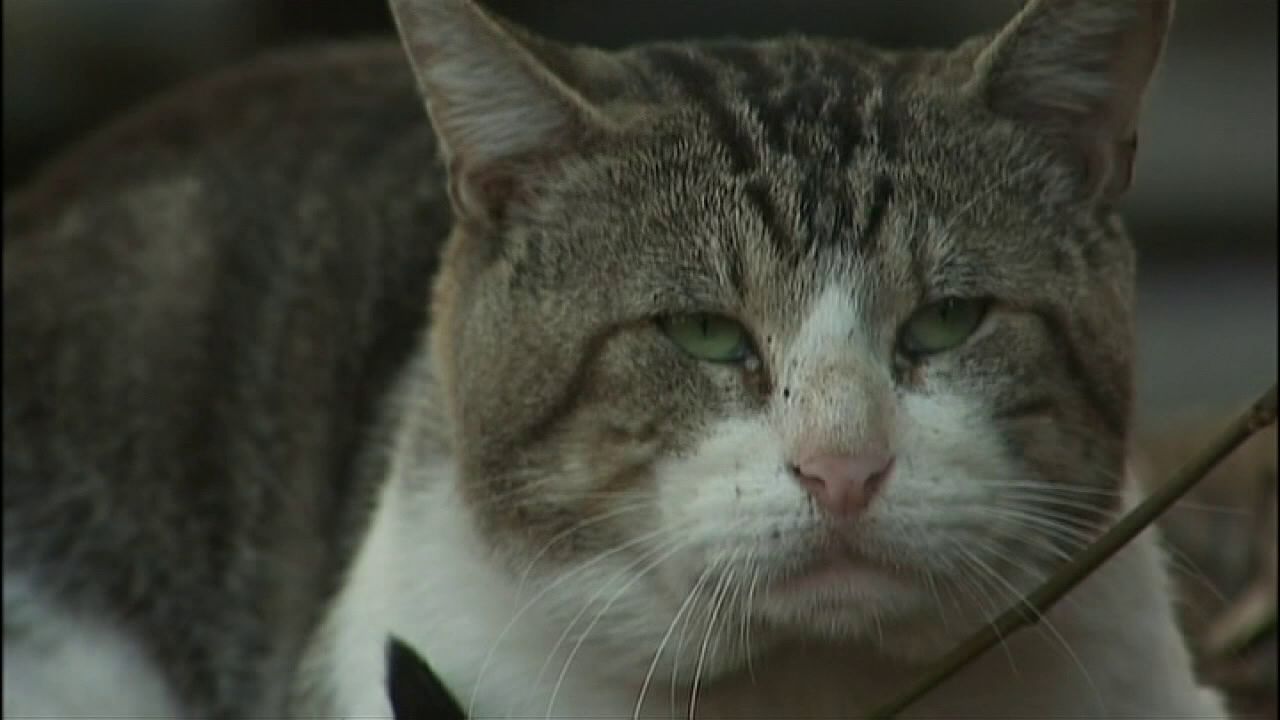
Gibsonton, FL — Health officials have issued a 60-day rabies alert for part of the community after a local cat tested positive for rabies, prompting warnings for residents and pet owners to take precautions around animals.
The Florida Department of Health in Hillsborough County said the cat, which had no known rabies vaccination, died in the Gibsonton area near U.S. Highway 41 and Alice Avenue.
Following the positive test, officials established a temporary alert zone covering part of the area. The boundaries extend from the Alafia River to the north, Bullfrog Creek to the south, Hillsborough Bay to the west and Alafia Street to the east.
Health officials are reminding residents that rabies remains present among wildlife populations in Florida and can be transmitted to people and pets through bites or scratches from infected animals.
Why officials are warning residents
Rabies is a deadly viral disease, and once symptoms begin, it is almost always fatal. That makes immediate medical attention especially important after someone is potentially exposed.
Residents in the alert area are being encouraged to avoid unnecessary contact with stray animals and wildlife. Pet owners should also make sure their animals’ rabies vaccinations are current.
The recent case involving an unvaccinated cat highlights the importance of keeping pets protected, particularly in areas where wildlife may carry the virus.
Anyone who is bitten or scratched by an unfamiliar animal should seek medical attention immediately, health officials said.
Hillsborough County has seen more cases this year
The latest state data cited by health officials shows that Hillsborough County has recorded 295 rabies cases involving humans and animals, along with possible exposures, so far this year.
That figure represents an increase of 52 cases compared with the same period last year.
The numbers underscore why health officials continue to warn residents about interactions with wildlife and animals whose vaccination status is unknown.
Rabies can initially be difficult to recognize because infected animals may not always display obvious symptoms. For that reason, residents are being urged not to approach or handle animals acting strangely.
Recent rabies cases reported elsewhere
The Gibsonton alert follows other rabies cases reported in nearby Florida counties.
During the summer, Pasco County confirmed two rabies cases involving raccoons, while Polk County reported a case involving an unvaccinated feral cat.
Those incidents, along with the latest Hillsborough County case, are reminders that rabies continues to circulate among animal populations in parts of the state.
For residents, officials say prevention remains one of the most important safeguards.
Pet owners should watch for warning signs
Veterinarians are advising pet owners to keep rabies vaccinations up to date and pay attention to sudden changes in an animal’s behavior.
Dr. Anchal Thomas, an emergency veterinarian at VEG ER for Pets in South Tampa, described several warning signs that could warrant concern.
“If you start noticing any behavior changes, your pet is starting to wobble, it’s not able to eat or drink normally because it’s having trouble swallowing,” Dr. Thomas said. “Other things that you may notice is that if the pet is repeatedly trying to lick at an injury or bite at an injury, that could be where they were bitten by the original animal.”
Thomas also explained that rabies can look different from Bufo toad poisoning, another concern for Florida pet owners. Bufo toad poisoning can produce symptoms quickly, while rabies develops much more slowly.
North Carolina Shooting Survivor Clung to Life After Allegedly Using Her Nose to Dial Boyfriend
Rabies has an incubation period that can last weeks to months before visible symptoms appear, making it important for owners to take potential exposures seriously even when an animal initially appears healthy.
What residents should do during the alert
Residents within and around the alert zone should avoid touching stray animals or wildlife and should keep pets away from unfamiliar animals.
Pet owners should also verify that their animals are properly vaccinated against rabies.
If a person or pet comes into contact with an animal that may be infected, getting professional medical or veterinary advice promptly can be critical.
With the 60-day alert now in effect, health officials are urging Gibsonton residents to remain cautious and report concerning animal behavior rather than attempting to handle wildlife themselves.
Do you think residents in rabies-alert areas should take additional precautions with their pets? Share your thoughts in the comments.