
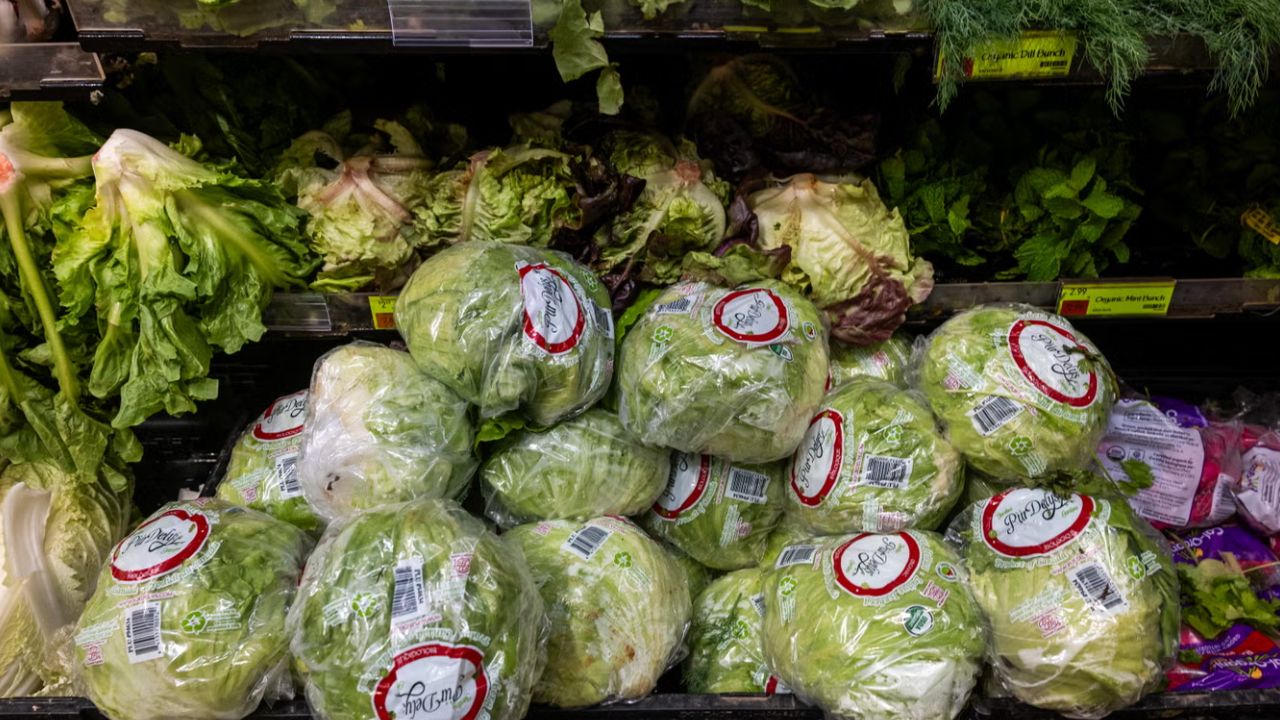
WASHINGTON — Federal health authorities have declared the massive U.S. cyclospora outbreak over, but the end of the outbreak has not answered one of the biggest questions surrounding the illnesses: how did the parasite get into the food supply in the first place?
Nearly 13,000 cases were connected to the multistate outbreak, accounting for much of an unprecedented increase in cyclospora infections reported across the country this year.
The U.S. Food and Drug Administration said Friday that it is confident all recalled iceberg lettuce connected to this specific outbreak has been removed from the market.
However, investigators still have unanswered questions about how the parasite contaminated enough produce to cause thousands of illnesses.
Cyclospora spreads through human feces, meaning contaminated water or soil can introduce the parasite to food crops.
Nearly 20,000 Cyclospora Cases Reported
The scale of this year’s outbreak has been unusually large.
Since May 1, officials have received reports of nearly 20,000 laboratory-confirmed cyclospora cases, representing more than a sixteenfold increase compared with the same period last year.
Another 6,100-plus suspected cases have also been reported.
Before this year, 2019 was the worst year for reported cyclospora infections in the United States, with approximately 4,700 illnesses recorded nationwide.
Although the iceberg lettuce outbreak accounted for a substantial portion of this year’s illnesses, thousands of other cases have not been connected to that specific outbreak.
Michigan was particularly hard hit. The state recorded the highest number of reported cases and the two U.S. deaths associated with the outbreak.
How Could Lettuce Become Contaminated?
Cyclospora is a microscopic parasite that can cause cyclosporiasis, an intestinal illness characterized by prolonged watery diarrhea.
The Centers for Disease Control and Prevention describes the illness as potentially involving frequent and sometimes explosive bowel movements. Outbreaks generally occur more often during late spring and summer.
Food safety experts say contamination can occur when produce is grown in soil or exposed to water contaminated with human waste.
“This contamination can happen if produce is grown in soil or comes into contact with water that has been contaminated,” said Ellen Shumaker, director of outreach for North Carolina State University’s Safe Plates food safety program.
But investigators have not determined exactly how contamination occurred in this outbreak.
That unanswered question remains particularly important because of the sheer number of people who became sick.
Taco Bell Investigation Led to Taylor Farms Recall
Investigators initially focused on lettuce served at Taco Bell as they searched for the source of the illnesses.
Federal officials later focused on Taylor Farms as the source of the iceberg lettuce connected to the outbreak. The company recalled iceberg lettuce grown in central Mexico.
The recall extended beyond individual heads of lettuce. Thousands of packaged salad products containing iceberg lettuce and other vegetables were shipped to major restaurant chains across the United States.
Those chains included restaurants operated by Yum Brands, the parent company of Taco Bell, Pizza Hut and KFC.
The investigation eventually centered on lettuce grown and processed in Mexico, but officials still have not publicly established precisely where or how the parasite entered the production chain.
FDA Ends Inspections as Questions Remain
The FDA said it has ended its on-site inspections and sample collection involving iceberg lettuce growers and the processing facility in Mexico.
Samples collected during those inspections were still pending analysis when the agency announced the outbreak had ended.
The conclusion of the outbreak means officials believe the recalled lettuce tied to this particular event is no longer circulating in the marketplace. It does not necessarily provide a complete explanation for the broader surge in cyclospora infections seen this year.
Powerful Waves Devour Southern California Beaches, Force Evacuations and Threaten Homes
The outbreak has also renewed attention on the nation’s food safety system.
Food Safety Concerns Continue After Outbreak
The cyclospora surge has highlighted concerns about how effectively contaminated imported produce can be identified before reaching American consumers.
The investigation has cast a spotlight on what critics describe as a worsening food safety challenge: fewer U.S. regulatory inspections overseas, potentially limiting opportunities to identify contamination before produce reaches the United States.
For consumers, the immediate outbreak may be over, but the unanswered questions surrounding its origin remain.
With thousands of people sickened and two deaths linked to the outbreak, understanding how the contamination happened could be critical to preventing another large-scale cyclospora outbreak in the future.
What do you think about the unanswered questions surrounding the cyclospora outbreak? Share your thoughts in the comments.