
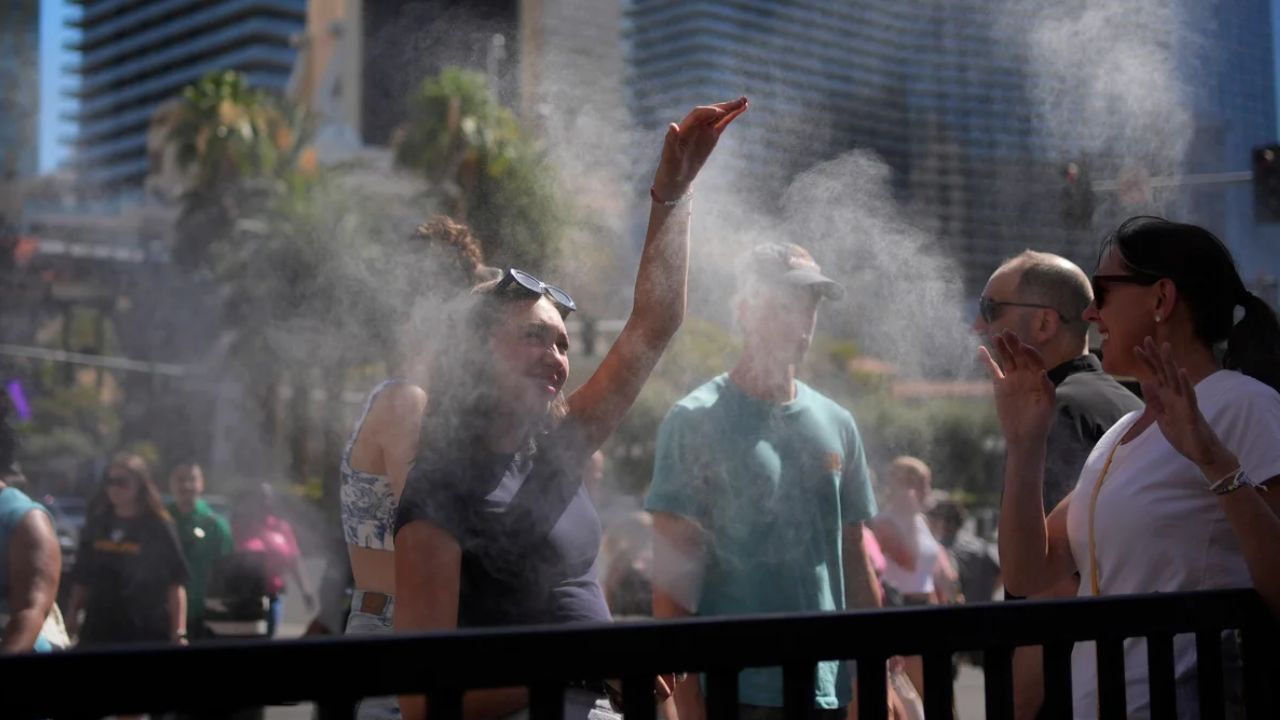
DALLAS, Texas — Millions of people across the Central U.S. are facing another stretch of dangerous late-summer heat as a stubborn ridge of high pressure continues to dominate the region.
From Dallas to St. Louis, temperatures have surged well above seasonal averages, with highs through the middle of the week approaching 100 degrees or higher in several locations.
The extreme conditions are affecting nearly 35 million people, with temperatures running roughly 10 to 15 degrees above normal across large portions of the Central U.S.
Instead of an early taste of fall, residents are experiencing weather more typical of the heart of summer. The heat is expected to continue through at least Friday, keeping much of the region under elevated heat concerns.
High Pressure Drives Another Surge of Extreme Heat
The latest round of heat intensified after a ridge of high pressure re-strengthened over the Central Plains on Wednesday.
That atmospheric pattern is allowing hot, dry air to remain in place while limiting opportunities for meaningful cooling. Temperatures are expected to remain unusually high, while heat indexes could climb above 100 degrees in some areas.
Heat Advisories and Extreme Heat Warnings are expected to remain in effect across portions of the region through Thursday, including areas around Oklahoma City, Springfield, Missouri, and Dallas.
For people spending time outdoors, the combination of high temperatures and elevated heat indexes can create dangerous conditions, particularly during the hottest part of the afternoon.
Record Heat Adds to Historic Year Across Southern Plains
This latest heat wave is also adding to what has already been an extraordinary year across the Southern Plains.
Several major metropolitan areas are currently experiencing their warmest year on record, including Oklahoma City, Dallas and Houston.
September has also been unusually hot across the Plains, with more than two dozen locations reporting their warmest September on record.
Daily records have continued to fall as well.
On Tuesday, Wichita, Kansas, reached 104 degrees, setting a new daily record. Oklahoma City also established a daily record high after temperatures climbed to 103 degrees.
The continued heat is extending an already historic warm spell rather than providing the seasonal transition many residents would normally expect in September.
Heat and Dry Weather Raise Drought Concerns
The persistent heat is creating another problem beyond uncomfortable temperatures.
The combination of intense heat and high evaporation rates could increase the risk of rapid-onset drought across the Southern Plains and Lower Mississippi Valley.
Dry conditions are expected to remain in place as the ridge of high pressure continues to dominate the Central U.S.
With little immediate relief from either the heat or dryness, drought concerns could become more serious if the pattern persists. The combination of high temperatures and below-average rainfall can quickly increase stress on soil, crops, vegetation and water resources.
No Immediate Autumn Cooldown in Sight
People hoping for a significant break from the heat may have to wait longer.
Looking toward next week, there is no immediate sign of an autumn cooldown across the South. The Climate Prediction Center’s 6-to-10-day temperature outlook indicates that many of the same areas are likely to remain well above average.
That means the unusual September heat could continue even after the current stretch through Friday comes to an end. For millions across the Central and Southern U.S., the forecast remains dominated by persistent heat, dry weather and growing drought concerns.
As the ridge remains anchored over the region, residents may continue to experience temperatures that feel more like peak summer than the beginning of fall.
Are you experiencing unusually hot weather where you live? Tell us your city and what temperatures you’re seeing in the comments.