
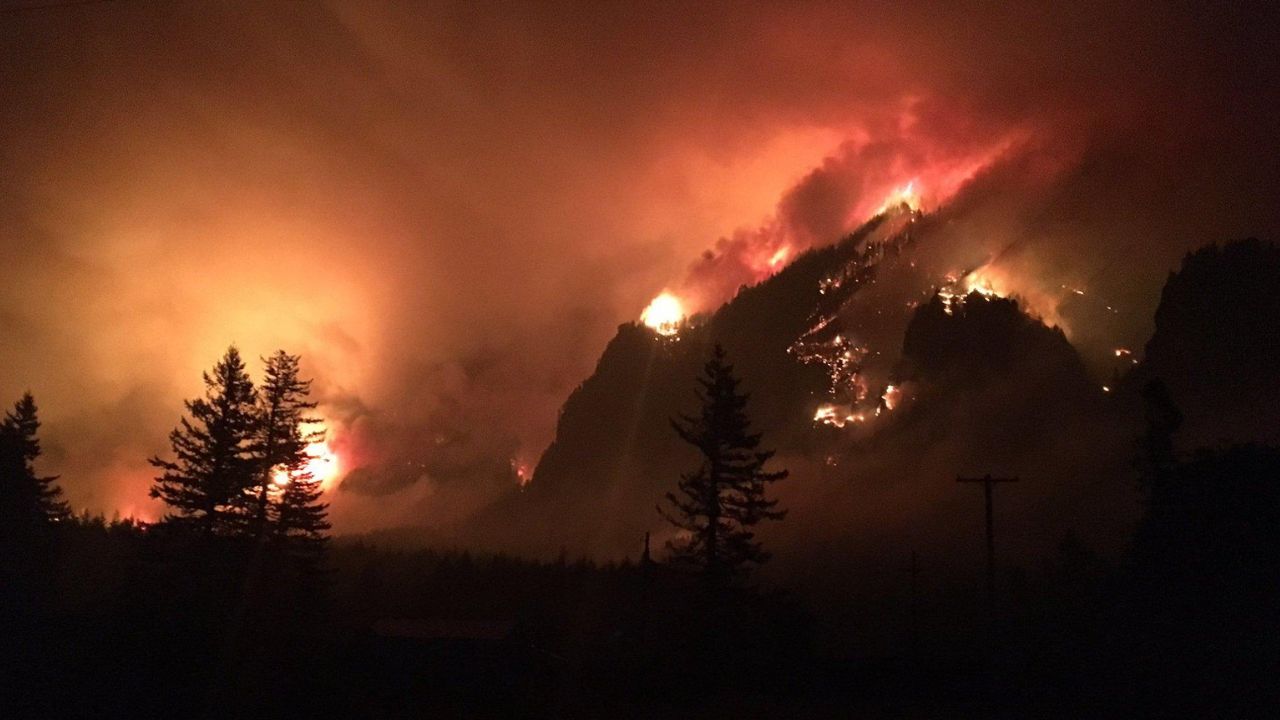
Seattle, Washington — A Pacific storm moving toward the Northwest is expected to bring a dangerous combination of lightning, gusty winds and very limited rainfall, raising concerns that new wildfires could erupt across an already fire-ravaged region.
The threat is expected to extend from Washington and Oregon into parts of Northern California, Idaho, Nevada, Montana and Wyoming through the weekend. While some areas could receive late-night downpours, forecasters warn that many thunderstorms may produce little or no meaningful rainfall.
That combination could create a particularly dangerous setup for wildfire ignition.
Dry Thunderstorms Could Trigger New Fires
Meteorologists said the approaching storm could bring thunder and lightning to the Seattle area Friday night, while also producing breezier conditions across the region.
The bigger concern is the potential for dry thunderstorms, which can generate powerful lightning strikes without producing enough rain to significantly wet the ground.
“While this storm could bring some late-night downpours, thunder and lightning to the Seattle area Friday night, it will kick up breezes and produce mainly dry thunderstorms across the region from Friday through the weekend,” meteorologists said.
Lightning striking extremely dry vegetation can quickly start new fires, particularly in areas where grasses, brush and forests have been depleted of moisture.
Winds Could Make Fires Spread Faster
Lightning is not the only concern.
Breezy and erratic winds could cause flames to spread quickly and push burning embers far beyond the edges of an existing wildfire. Those embers can land in dry vegetation and potentially ignite additional fires far away from the original blaze.
The shifting nature of the winds could also create dangerous conditions for firefighters working near active flames.
Fire behavior can become difficult to predict when winds change direction or speed rapidly, potentially forcing crews to adjust tactics or retreat from dangerous areas.
Smoke Could Spread Into British Columbia
The weather pattern could also affect air quality well beyond active fire zones.
Forecast winds are expected to carry some wildfire smoke northward into British Columbia. Areas close to existing fires, as well as communities near any new fires that develop, could experience particularly unhealthy conditions.
Smoke may remain concentrated near ground level in some locations, potentially creating hazardous air quality for people who are sensitive to smoke.
Residents in affected areas may need to monitor local air-quality conditions and follow guidance from emergency officials if wildfire activity increases.
Millions of Acres Already Burned This Year
The latest wildfire outlook comes after an exceptionally active fire season across the United States.
According to the National Interagency Fire Center, wildfires had burned approximately 7.5 million acres across the country as of Thursday, Aug. 20.
That total is nearly 170% of the 10-year average for this point in the year, underscoring how severe the 2026 wildfire season has already become.
The Northwest has been among the regions facing significant wildfire activity.
Recent Washington Fires Show the Potential Danger
Recent wildfires near Spokane, Washington, forced tens of thousands of residents to evacuate, while fires burned more than 10,000 acres and destroyed hundreds of homes.
Those losses highlight why officials are closely watching the incoming storm. Even a relatively short period of lightning activity can become dangerous when vegetation is extremely dry and winds begin pushing flames across the landscape.
With the Pacific storm expected to move through the region this weekend, the combination of lightning, dry vegetation and gusty winds could create fresh wildfire threats across multiple states.
Residents in fire-prone areas should remain alert to local warnings and be prepared for rapidly changing conditions as thunderstorms develop.
Are you in an area facing increased wildfire or smoke risks this weekend? Share your thoughts and local conditions in the comments below.
2 thoughts on “Lightning Could Ignite New Wildfires Across the Northwest as Heat, Dry Vegetation and Gusty Winds Fuel Dangerous Conditions”