
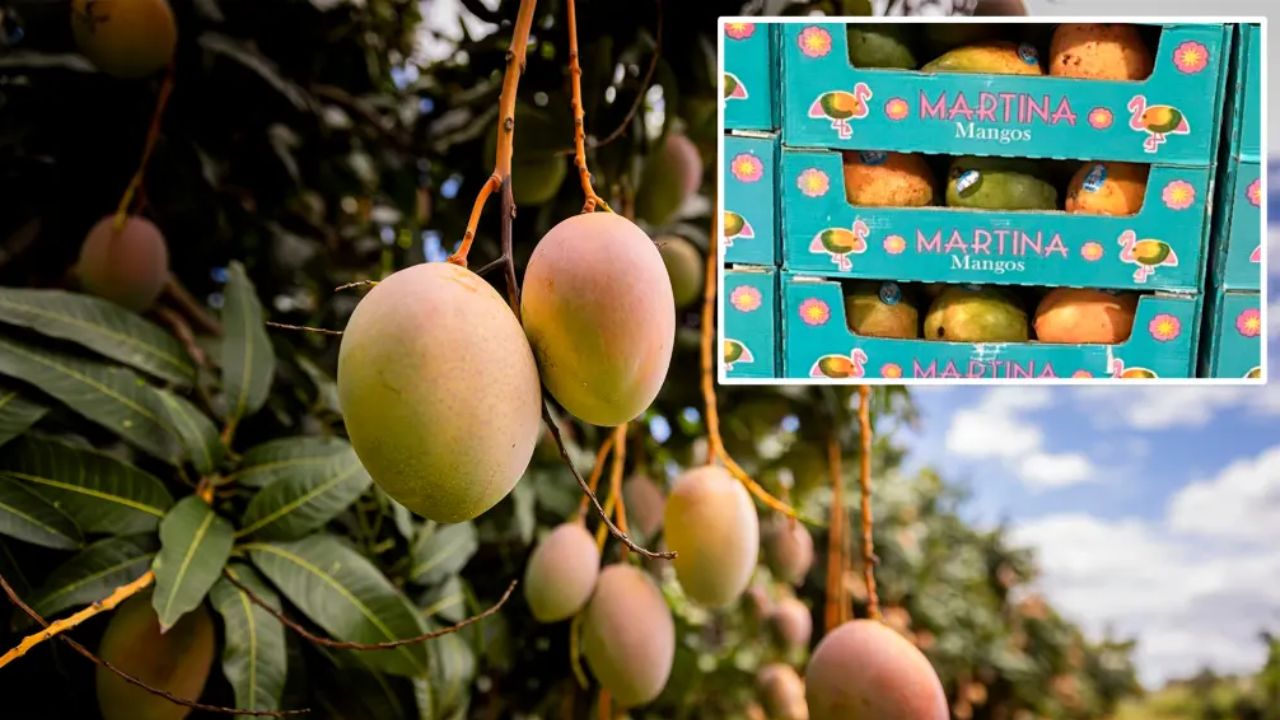
WASHINGTON — Consumers in four states are being warned about recalled mangoes sold at select Walmart stores after concerns emerged over possible Salmonella contamination.
Panorama Produce is recalling more than 300 boxes of mangoes that were sold between August 10 and August 21 at select Walmart locations in Connecticut, New York, New Jersey and Pennsylvania.
The recall was initiated after testing by the U.S. Food and Drug Administration identified mangoes at a farm in Mexico that tested positive for Salmonella.
Although the mangoes that tested positive were not intended to be distributed in the United States, Panorama Produce sourced its mangoes from the same location. That connection prompted the company to recall its products as a precaution.
As of August 29, no illnesses had been reported in connection with the recalled mangoes.
How to Identify the Recalled Mangoes
Consumers who recently purchased mangoes from Walmart should check the product carefully before eating it. The recalled mangoes were packaged under the “Martina” brand and can be identified using information printed on the product.
The affected mangoes have a light blue sticker displaying the wording “Agrofepac, Produce of Mexico.” Consumers should also look for:
- PLU number: 4584
- UPC number: 07503061948050
- “Martina” branding
The recall applies to products sold at select Walmart stores in Connecticut, New York, New Jersey and Pennsylvania during the specified August 10 through August 21 period.
Anyone who believes they purchased one of the recalled mangoes should avoid eating it.
What Consumers Should Do With Recalled Mangoes
Customers who have the affected mangoes at home are advised to not eat them. Instead, consumers should either dispose of the mangoes or return them to the place of purchase.
The precaution is important because contaminated food can sometimes look, smell or taste normal. Consumers should therefore rely on the product identification information rather than trying to determine whether a mango appears safe.
The FDA initiated the testing after samples from a farm in Mexico returned positive results for Salmonella. Because the recalled mangoes came from the same source, officials and the company took action even though the positive-tested mangoes themselves were not scheduled for U.S. distribution.
What Is Salmonella?
Salmonella is a type of bacteria that can cause foodborne illness.
According to the U.S. Centers for Disease Control and Prevention, Salmonella infections are among the most common forms of food poisoning in the United States, with more than 1 million people becoming sick each year.
Symptoms can include diarrhea, stomach pain or cramps, nausea, vomiting, fever and headache. The illness can range from relatively mild to severe.
In rare cases, a Salmonella infection can become life-threatening, particularly when the infection spreads or affects someone with other risk factors.
People who develop concerning symptoms after consuming potentially contaminated food should seek medical advice.
How to Reduce the Risk of Foodborne Illness
Consumers can take several basic steps to reduce their risk of foodborne illness.
The CDC recommends washing hands thoroughly with soap and water before eating or preparing food. Safe food preparation and handling practices are also important.
Avoiding foods that have been recalled is another key precaution.
For shoppers in the four affected states, the most important step right now is to check recently purchased mangoes against the recall information. If the product matches the listed brand and identification numbers, it should not be consumed.
While no illnesses had been reported as of August 29, the recall remains an important precaution designed to prevent potentially contaminated products from reaching consumers.
Did you recently buy mangoes at Walmart in one of the affected states? Check your fruit and share this recall information with friends and family who may have purchased them.